
ZKONG’s electronic shelf labels and digital signage streamlined a major warehouse’s operations, reducing labor costs by 25% and improving inventory accuracy with real-time updates and automated stock management.



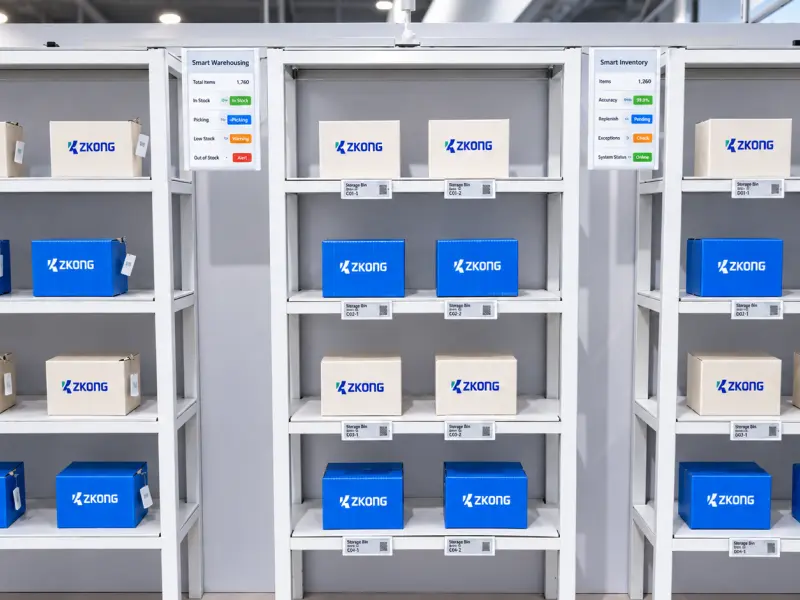
Warehouse and logistics operations require accurate location identification, fast picking, replenishment visibility, inventory coordination, and real-time updates across WMS and on-site workflows. ZKONG helps warehouses digitize bins, racks, picking points, and operational displays.

Digitize shelf, rack, bin, pallet, and storage location labels for clearer warehouse identification.

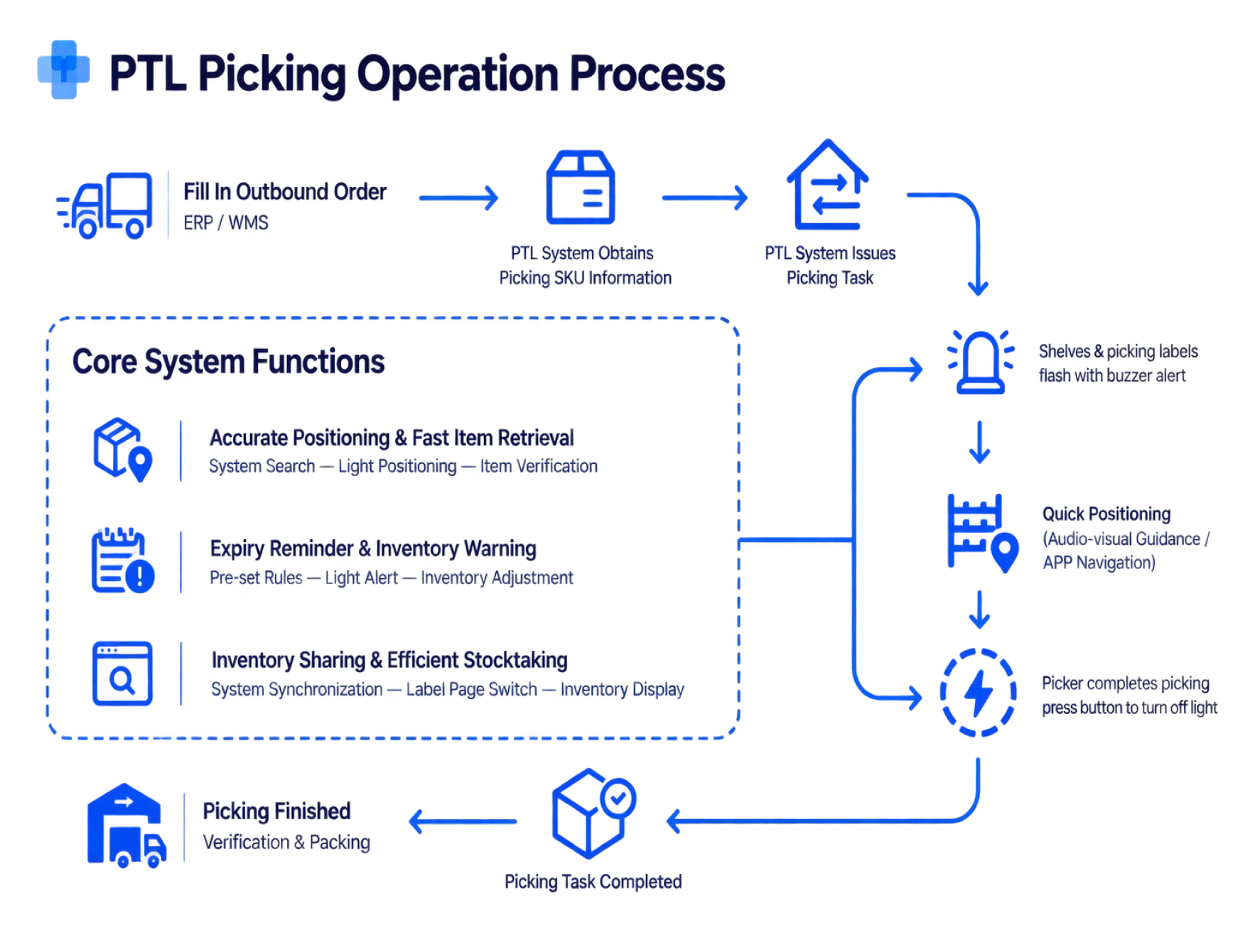
Use digital labels and LED guidance to help staff locate items faster and reduce picking mistakes.

Reduce manual paper label replacement when locations, SKUs, batches, or workflows change.

Support receiving, storage, picking, packing, dispatch, and returns areas with flexible digital displays.
Digital signage is another powerful tool transforming warehouse management. These dynamic displays can be strategically placed throughout the warehouse to provide real-time information, improving communication and operational efficiency.
Key Benefits of Digital Signage in Warehouses:
Real-Time Communication: Digital signage for warehouses can display real-time data on inventory levels, order statuses, and other critical information. This ensures that warehouse staff are always informed and can make quick, informed decisions.
Improved Safety: Safety is a top priority in any warehouse. Warehouse digital signage can be used to display safety protocols, emergency procedures, and real-time alerts, helping to create a safer working environment.
IoT Integration: Like ESLs, ZKONG digital signage can be integrated with other IoT warehouse solutions. For example, digital displays can show data from IoT sensors, such as temperature and humidity levels, helping to maintain optimal storage conditions.
In the fast-paced environment of modern warehouses, efficiency and accuracy are paramount. Electronic Shelf Labels (ESL) have emerged as a game-changer in inventory management. These digital tags replace traditional paper labels, offering real-time updates and seamless integration with warehouse management systems (WMS).
Key Benefits of ESL in Warehouses:
Enhanced Accuracy: Manual labeling is prone to human error. ESLs eliminate this risk by automating the labeling process, ensuring that the right information is always displayed.
IoT Integration: ESLs are a crucial component of IoT warehouse solutions. They can communicate with other smart devices, such as RFID scanners and automated picking systems, to streamline operations further.
Real-Time Updates: ESLs are connected to the warehouse’s central database, allowing for instant updates on stock levels, product information, and pricing. This ensures that warehouse staff always have the most current information, reducing errors and improving efficiency.
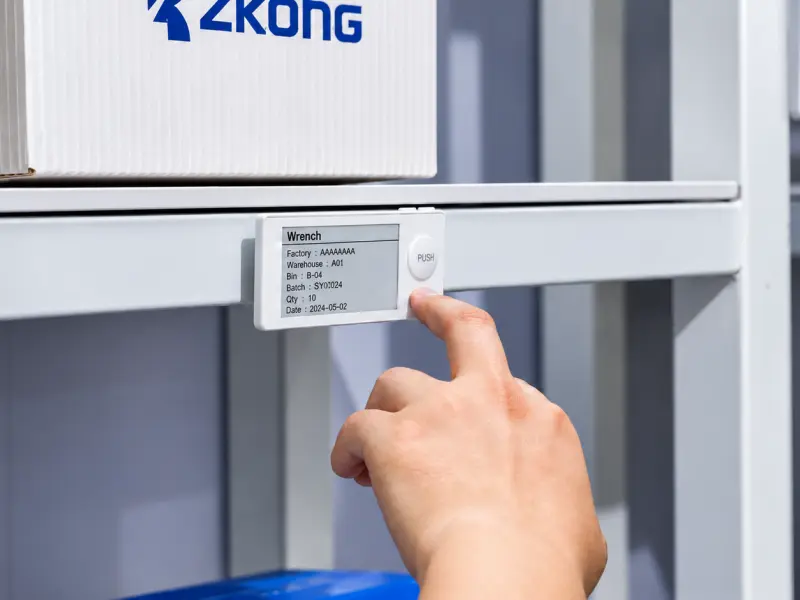
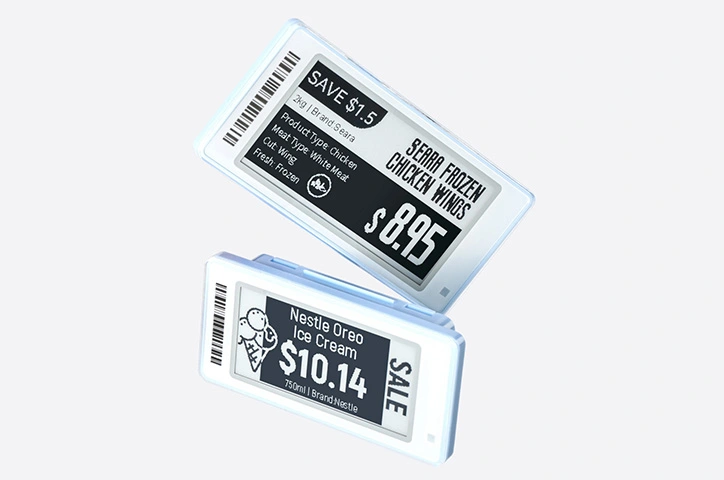

A practical choice for warehouse location labeling where durability and operational visibility are important.
Integrated LED indicators can support location guidance for picking and replenishment, while multiple sizes allow labels to be adapted to different racks, bins and storage positions.
Cold-environment models are also available for suitable refrigerated warehouse applications.
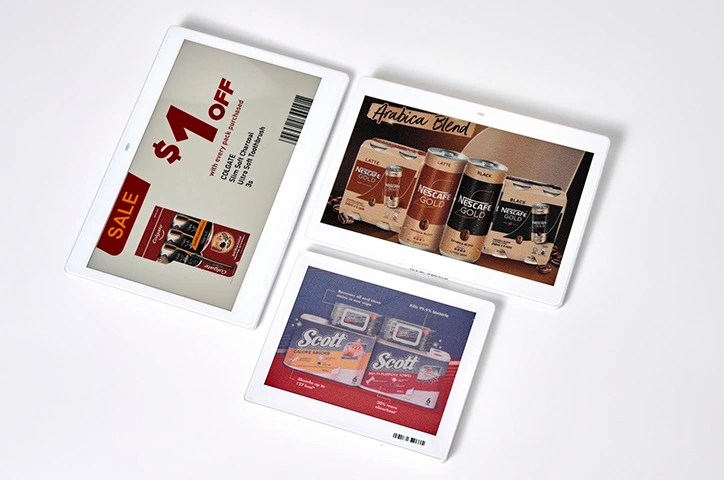
Large-format electronic paper displays provide more screen space for locations that require richer or more visible information.
They can be used for pallet areas, staging zones, warehouse sections or other locations where employees need to read operational information from a greater distance.
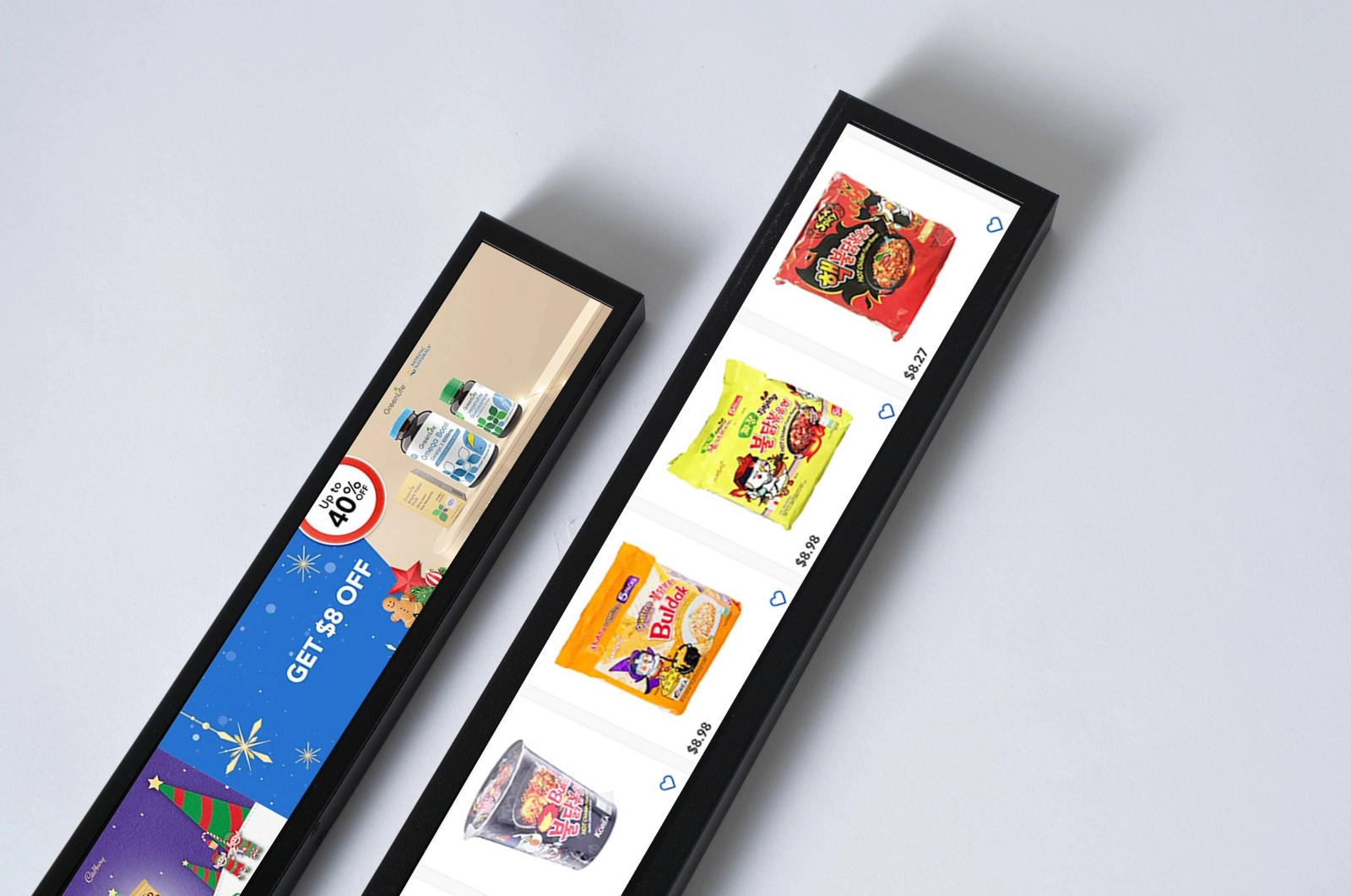
Use full-color digital displays for operational dashboards, safety communication, task notifications and shipping or receiving information.
Digital signage complements electronic paper labels by communicating information that needs to be visible across an entire warehouse zone rather than at a single storage location.
Large-format electronic paper displays provide more screen space for locations that require richer or more visible information.
Connect warehouse business data with electronic labels and digital displays through a centralized management platform.
Manage templates, product and location bindings, devices and display updates across warehouse areas from one system.
Open integration capabilities make the platform suitable for connecting with existing WMS, ERP and other enterprise systems.
Keep large numbers of racks, bins and SKUs digitally identified while supporting high-volume picking and replenishment.
Provide visible location and task information for fast-moving order fulfillment environments.
Adapt digital labels as customers, SKUs and storage assignments change across multi-client operations.
Display product codes, locations and inventory information for large catalogs of components and replacement parts.
Use suitable electronic label models for refrigerated or low-temperature storage environments.
Connect backroom inventory information with replenishment and order-picking workflows.



 Electronic Shelf Labels
  Digital Signage
  Cloud Platform
  ESL Accessory
  中文
中文 English
 日本語
日本語 français
 Deutsch